UX Case study in simplyfing the user flow and reducing cart abandonment of
Insta-Style

About the Brand

Insta-Style is a very popular, rapidly growing, trendy online fashion retailer targeting Gen Z and younger Millennials. Their website is sleek, modern, fully responsive, and looks great on all devices. They rely heavily on influencer marketing and fast-moving inventory.

The Problem

Insta-Style is losing 70% of potential sales at the crucial transition point between the Shopping Cart and the Final Payment page. Data shows that users frequently fail to proceed past the first step of the checkout process. The problem isn't the aesthetic; it's the flow and cognitive friction in the checkout process.
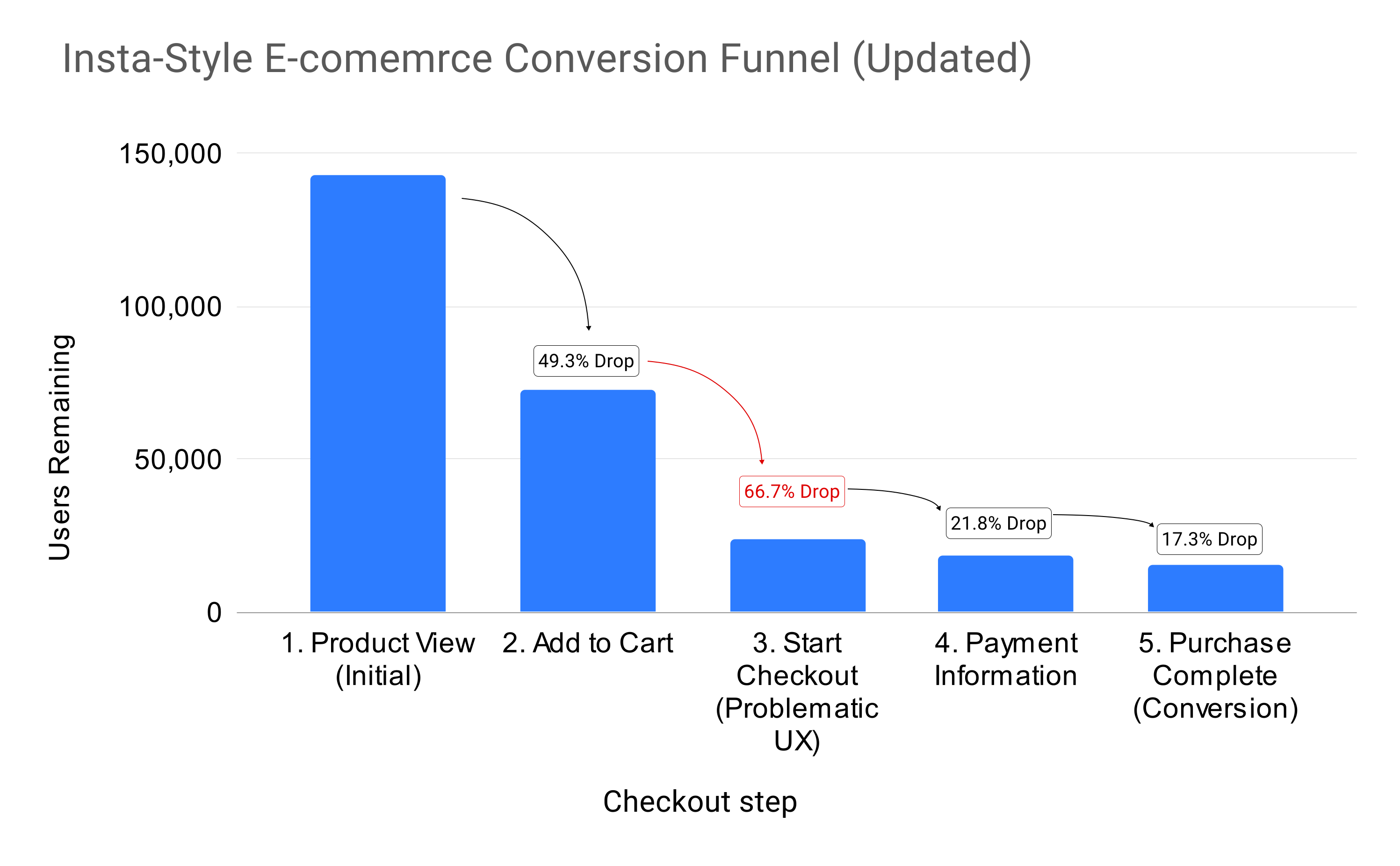
Current user journey visualization

The above chart clearly shows the huge drop of potential users abandoning their cart.
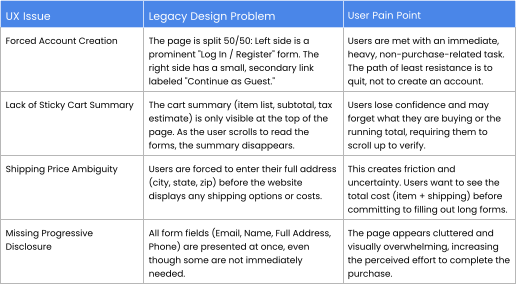
Projected Reasons

Data shows that users frequently fail to proceed past the first step of the checkout process, primarily due to "forced decision-making", "information overload" or "Confusion". The checkout is a multi-page flow that is technically modern but critically flawed in its structure and information architecture.

Current user journey visualization

Task Flow

Optimal Task Flow

  1. Find the product
  2. Check delivery availability by entering zip code
  3. Add to Cart
  4. Go to Cart and review order summary
  5. Choose “Log In/Register” or continue as a guest
  6. Enter shipping information and email (autofill where possible)
  7. Complete payment
  8. Post-order step (optional): Guest users are prompted to create an account with email & password
  9. View order confirmation and tracking details

Current Task Flow

  1. Find a product
  2. Add to cart
  3. View cart
  4. Initiate checkout
  5. Account Decision (Login / Register)
  6. Select Shipping
  7. Input Payment Type
  8. Review & Buy
  9. Receive Confirmation

Usability Testing

I conducted quick usability tests with 3 participants to understand pain points in their current shopping workflow.

Test Scenarios

  1. Search for a product and add it to cart
  2. Check the product quantity and proceed to buy
  3. Encounter the Checkout Gate
  4. Attempt to Create an Account
  5. Fill the required address form
  6. Proceed to the Next Step and check the price
  7. Fill the card details and place the order

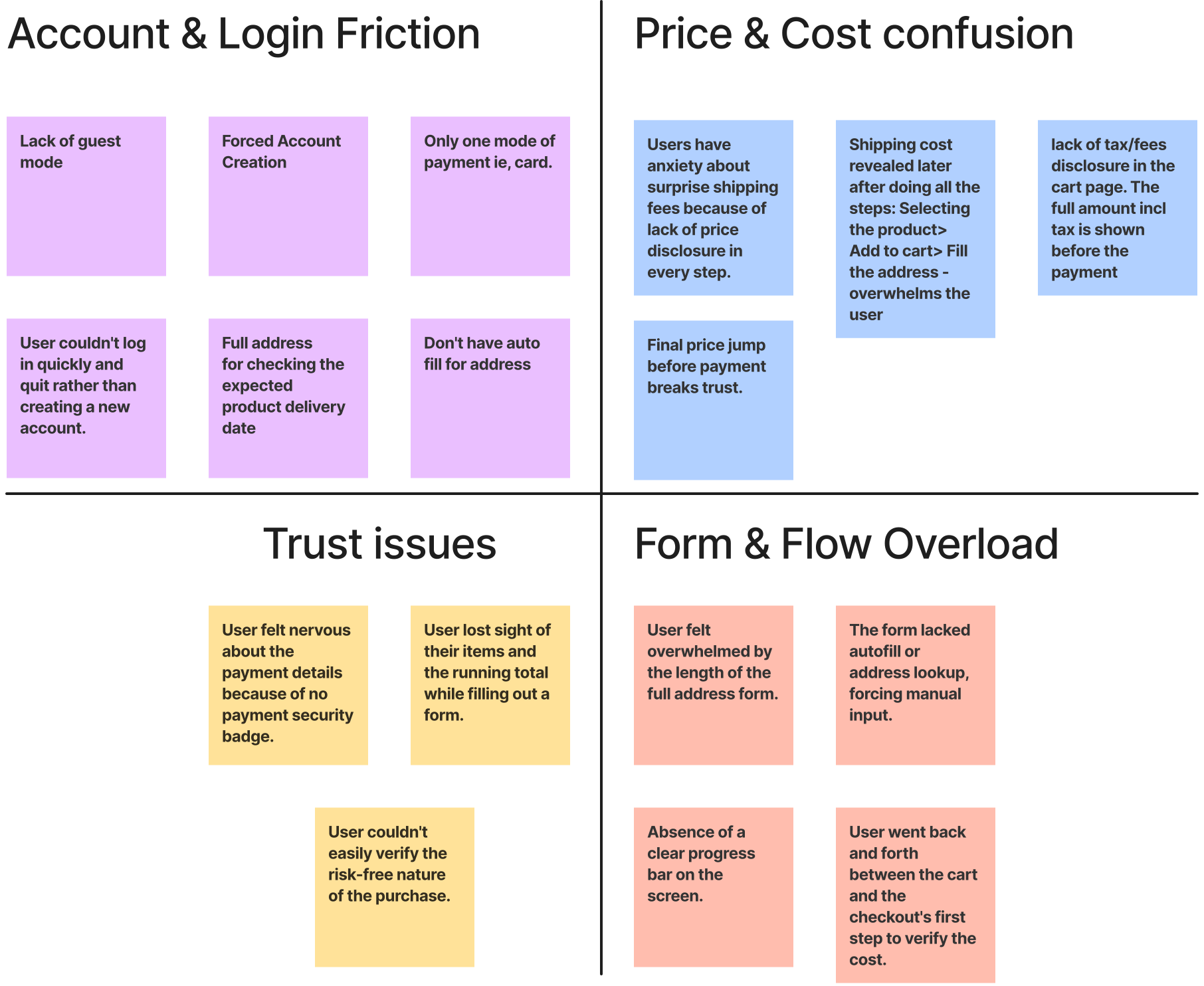
Affinity Map & Pain Points

Affinity mapping results from user testing

Notes from Usability Testing

Key Finding:
1. High Friction at Initial Checkout Gate 66.7%
2. Lack of Cost Transparency
3. Flow and Layout Overload

High Friction at Initial Checkout Gate

Forced Account Decision: Users were immediately confronted with large Login/Registration forms at the start of checkout, feeling the site was prioritizing data collection over the immediate transaction.

Checkout as Guest:This option is more used by new visitors and casual shoppers.

Cognitive Overload

Missing Guidance:The checkout lacks a progress indicator, leading to uncertainty and cognitive overload

Poor Form Design: Lack of features like address autofill, making data entry tedious.

Trust Deficits: The payment screen lacked prominent security badges and a sticky, final order review, increasing user hesitation.

Lack of Transparency

Missing Guidance: The website requires the user's full address before displaying shipping costs, causing "sticker shock" when unexpected fees were finally revealed on the next screen.

Crafting the Solution

Lo-Fi Sketches

I started with rapid sketching the login page, cart, and the product page.

Proposed Solution Changes

  • Add Guest checkout option.
  • Post-Purchase Account Creation.
  • Sticky, Real-Time Order Summary.
  • Clear, Visible Progress Tracker.
  • Smart Forms & Autocomplet.
  • Prominent Trust Signals.

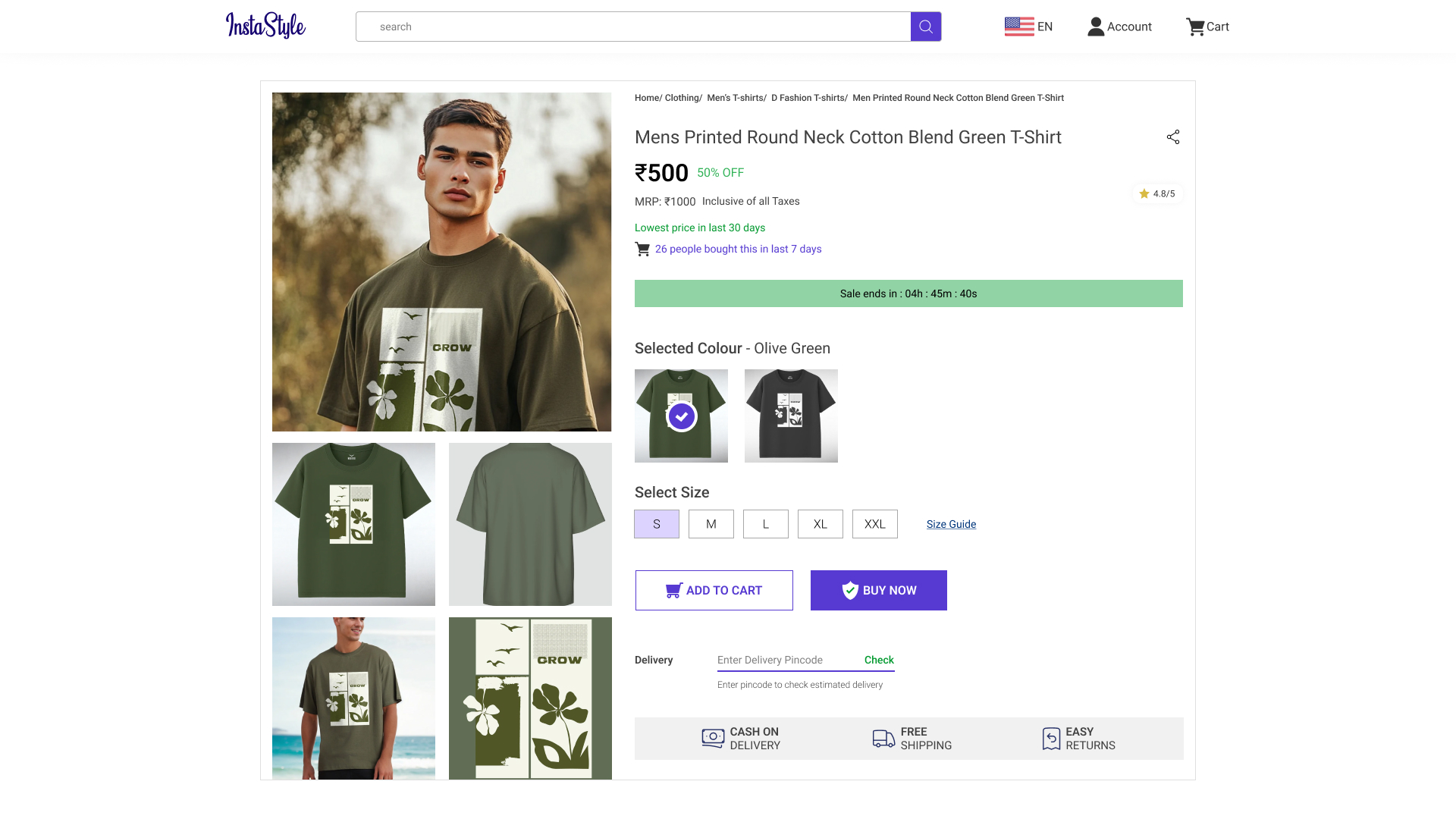
PRODUCT PAGE

The product page after incorporating optimum measures.

High-fidelity mockups showing the redesigned interface

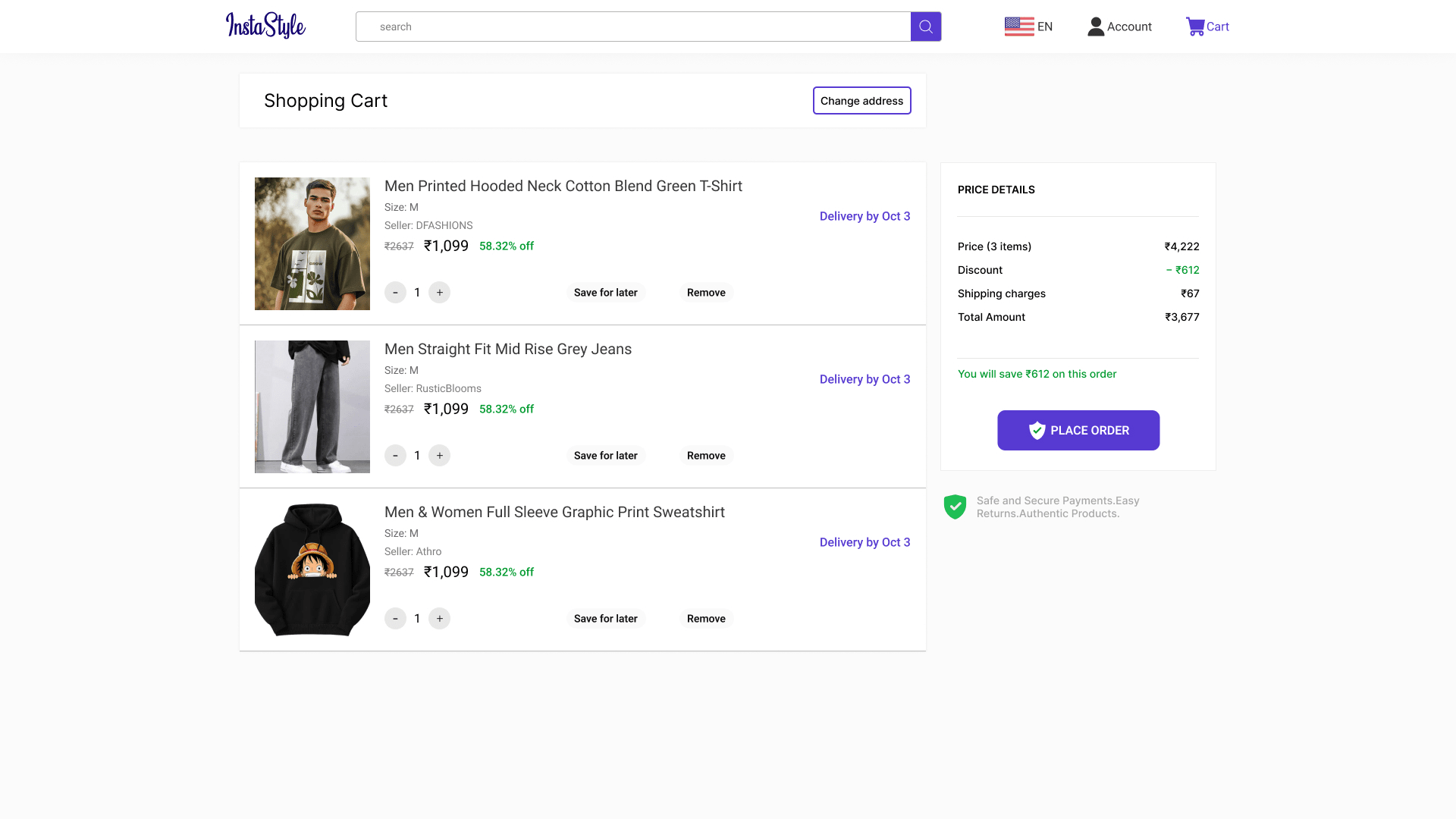
Cart Page

New cart page is easy for the users.

High-fidelity mockups showing the redesigned interface

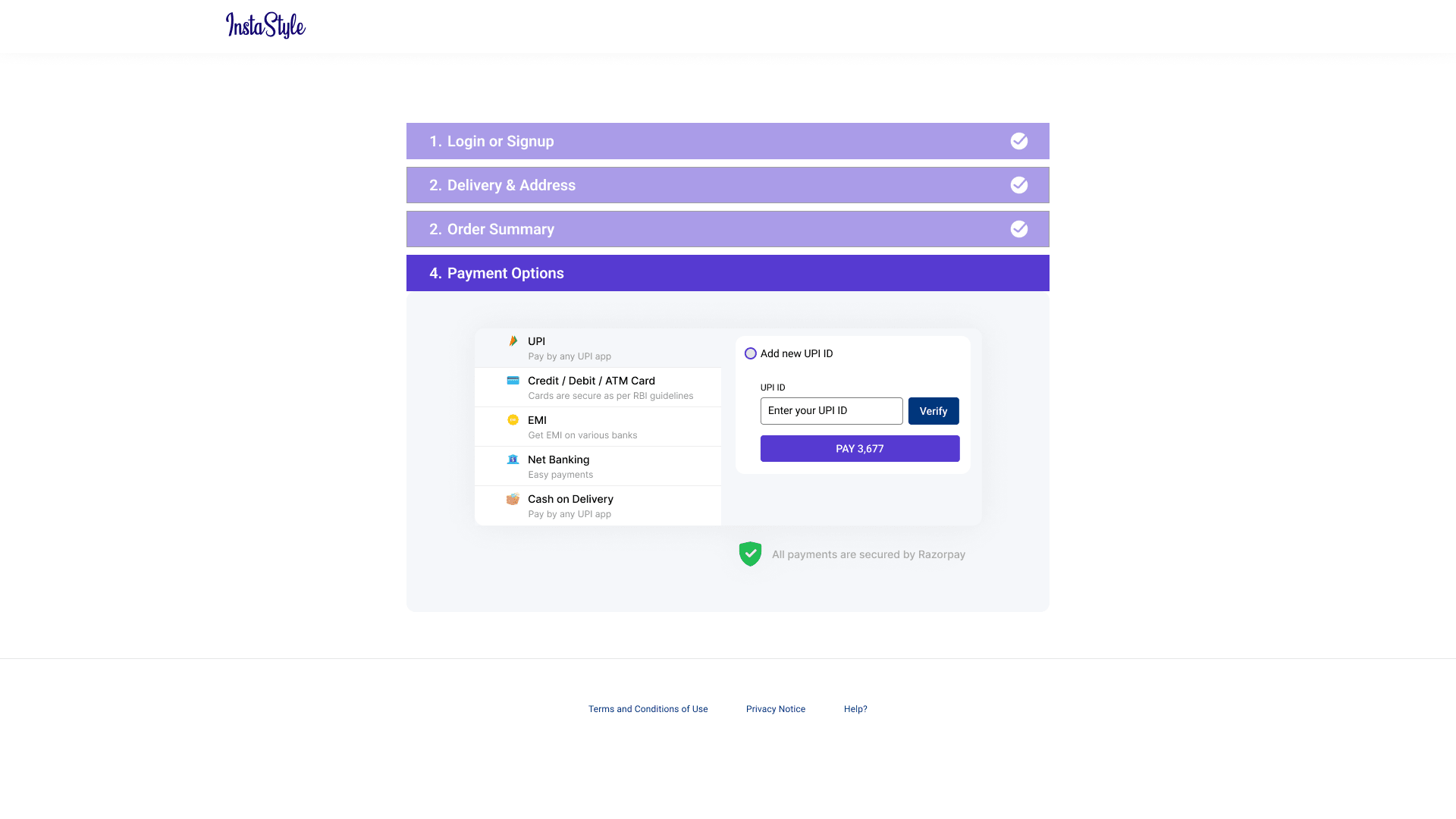
Address and Payment Screen

A step by step progressive chekout page.

High-fidelity mockups showing the redesigned interface

Results

Before

Before the redesign, the system suffered from a critically high initial cart abandonment rate of 66.7%at the start of the checkout (Step 2 to Step 3), due to forced login and price ambiguity. This low conversion efficiency resulted in an overall Purchase Complete conversion rate of only 12.0% (15,617 orders from 142,972 initial users).

After

With the introduction of guest checkout and upfront price transparency, the initial abandonment rate is projected to drop to around 25%. This improvement is expected to boost the overall purchase completion rate to 35–40%, effectively doubling site performance. In real terms, sales could rise from 15,617 to approximately 37,800, marking a 142% increase in total orders for the same traffic volume.

Projected Performance Metrics

73%
Time Reduced
75%
User Satisfaction
39%
Task Completion
72%
Frustration Decreased

Conclusion

This project reinforced the importance of understanding user workflows holistically rather than optimizing individual touchpoints in isolation.

The Insta-Style UX redesign is not merely an interface update; it is a business optimization strategy. By addressing the 66.7% friction point with a user-centric Guest Checkout flow, the company can convert tens of thousands of currently lost customers into loyal buyers, resulting in a substantial and immediate increase in revenue.

"The best design is invisible—it gets out of the way and lets users accomplish their goals effortlessly."

— Key insight from this project

Moving forward, I'm excited to explore how AI and machine learning can further streamline creative workflows while maintaining user agency and creative control.

Prototype & Contact

Ready to see Insta-Style in action?

View Interactive Prototype

Thank you for reading! Feel free to connect with me on LinkedIn or reach out via email.